

- Cordyceps research usually centers on exercise metabolism, oxygen use, adenosine-like compounds, and ATP-related pathways.
- Human studies exist, but they vary by species, extract, dose, duration, and population. Read the details before you read the headline.
- WAVE contains Cordyceps extract as part of a nicotine-free, caffeine-free pouch format. The energy claim in WAVE belongs to Vitamin B12: Vitamin B12 contributes to normal energy-yielding metabolism.
Cordyceps has a strange reputation online. Search for “cordyceps effects” and you'll find endurance claims, ATP claims, fatigue claims, and a lot of confident writing that skips the study design.
The useful question is narrower: what has research actually tested, and how much of it can you apply to a food supplement pouch? For WAVE, Cordyceps is one ingredient in a functional formula. It doesn't turn the pouch into a performance product, and it doesn't carry an approved EU health claim on energy. Vitamin B12 does. Vitamin B12 contributes to normal energy-yielding metabolism.

What Cordyceps is
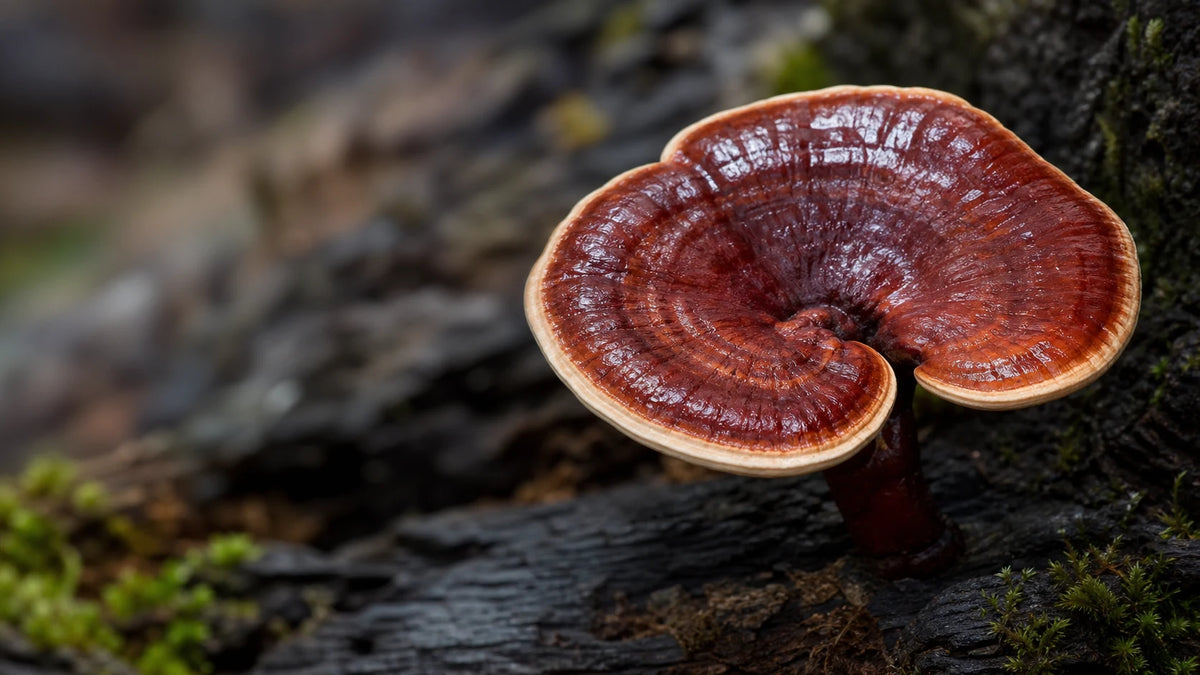
Cordyceps is a group of fungi studied for bioactive compounds such as cordycepin, adenosine, polysaccharides, sterols, and related nucleosides. The exact profile depends on the species and the extraction method. Cordyceps militaris and Ophiocordyceps sinensis are the names you'll see most often in research.
That detail matters. A trial using Cs-4, a cultured Cordyceps sinensis product, doesn't automatically describe a Cordyceps militaris fruiting body extract. A mouse study using an ethanol extract doesn't automatically describe a human pouch. Good ingredient reading starts there.
Cordyceps effects: what human studies have tested
One human trial looked at Cs-4 in healthy adults aged 50 to 75 over 12 weeks. The study measured exercise performance markers, including metabolic threshold and ventilatory threshold, under a double-blind, placebo-controlled design. The authors reported improvements in several exercise measures in the Cordyceps group (Chen et al., 2010, PMID: 20804368).
Another study tested a Cordyceps militaris-containing blend in healthy adults during high-intensity exercise. After acute use and 1 week, changes were limited. After 3 weeks, the authors reported improved tolerance to high-intensity exercise in some measures (Hirsch et al., 2017, PMID: 27408987).
Those results are interesting, but the limits are obvious. The studies used defined products, controlled protocols, and specific time windows. They don't prove that every Cordyceps product affects energy, endurance, or concentration. They show what a small set of trials measured under particular conditions.
Why ATP keeps coming up
ATP is the cell's direct energy currency. Cordyceps gets linked to ATP because some studies examine fatigue models, oxygen use, and compounds that resemble adenosine. Cordycepin, also called 3'-deoxyadenosine, is structurally related to adenosine and has been studied for pharmacokinetics and metabolism in humans (Li et al., 2010, PMID: 20302371).
Animal research goes further into tissue ATP. A mouse study on Cordyceps militaris ethanol extract reported changes in exercise performance markers and ATP-related measures, including ATP levels in skeletal muscle and liver. The authors framed the effect as a possible mechanism in mice (Huang et al., 2020, PMID: 33312018).
That wording is the boundary. ATP findings in mice are mechanism research. They aren't a human product promise. If a brand turns that into “this gives you energy,” it has crossed from education into an unapproved health claim.
What WAVE contains
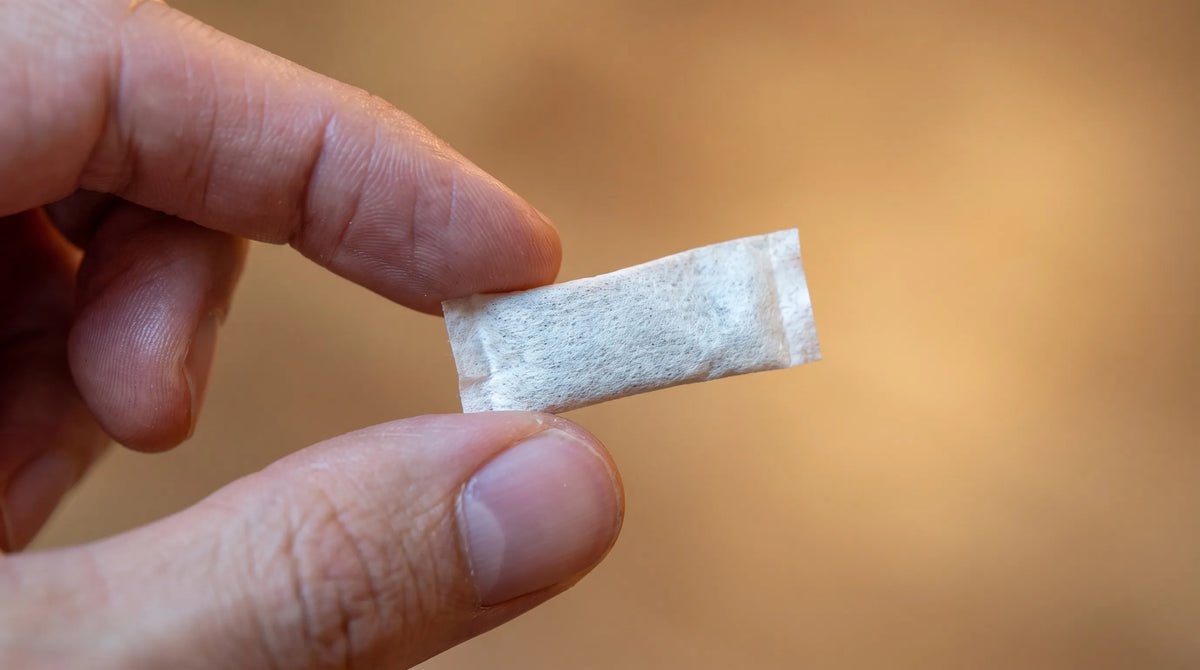
Each WAVE pouch contains Cordyceps mycelium (Samsoniella Hepiali) as part of a formula with Lion's Mane, Reishi, amino acids, and Vitamin B12. It is nicotine free, caffeine free, and sugar free. The pouch format sits under the lip, so it fits the familiar oral ritual without nicotine or caffeine.
The scientific layer stays precise. Cordyceps is included because it is a well-known research subject in exercise metabolism and adenosine-related chemistry. WAVE doesn't claim that Cordyceps improves performance, raises ATP in humans, or removes fatigue.
The approved energy wording belongs to B12: Vitamin B12 contributes to normal energy-yielding metabolism. Vitamin B12 also contributes to the reduction of tiredness and fatigue. Those are the claims that can stand on the page without stretching the evidence.
How to read Cordyceps research without getting misled
Start with species. Cordyceps militaris, Ophiocordyceps sinensis, and Cs-4 are related search terms, but they aren't identical inputs. Then check whether the study used fruiting body, mycelium, extract, blend, beverage, or isolated cordycepin.
Next, read the population. Healthy older adults, trained runners, mice, and cell cultures tell you different things. A result in one group can be useful without being transferable to your Tuesday afternoon.
Then check duration. A 3-week protocol says something different from a single serving. Ingredient studies often measure patterns after repeated intake, not a dramatic one-time effect.
Finally, look for the outcome. VO2 max, ventilatory threshold, lactate, ATP concentration, immune markers, perceived fatigue, and time to exhaustion are separate measurements. “Energy” is usually the marketing translation, and it's often too broad.
Where Cordyceps fits in a pouch formula
A pouch is a format decision. It makes the product easy to place into a work block, a commute, or a training bag. The format doesn't prove a stronger effect than a capsule, and it shouldn't be sold that way.
For WAVE, Cordyceps fits as one research-backed ingredient in a broader functional pouch. The clean claims are factual: no nicotine, no caffeine, no sugar, clear ingredient list, defined serving limit, and B12 with approved wording.
If you're comparing Cordyceps products, ask for the basics. Which species? Which part? What extraction method? What dose per serving? Is there a certificate of analysis? Those questions will tell you more than a loud “energy” claim.
The bottom line
Cordyceps research is real, but it is specific. Human trials have looked at exercise markers. Animal studies have explored ATP-related mechanisms. Cordycepin has human pharmacokinetic data. None of that turns Cordyceps into a blanket energy claim for every product that contains it.
WAVE keeps the distinction clear. Cordyceps is a researched ingredient. Vitamin B12 carries the approved energy and fatigue wording. The pouch gives you a nicotine-free, caffeine-free format with a clean label and a familiar ritual.
Frequently asked questions
Does Cordyceps give you energy?
Research has tested specific markers such as exercise metabolism in humans and ATP-related measures in animal models. That is not the same as a general energy promise, and Cordyceps carries no approved EU energy claim. In WAVE, the approved wording belongs to Vitamin B12: Vitamin B12 contributes to normal energy-yielding metabolism.
Is there human research on Cordyceps?
Yes. A 12-week double-blind trial tested Cs-4 in healthy adults aged 50 to 75, and another study tested a Cordyceps militaris blend during high-intensity exercise over 3 weeks. Results apply to those specific products, doses, and protocols.
What is cordycepin?
Cordycepin, also called 3'-deoxyadenosine, is a compound from Cordyceps that is structurally related to adenosine. It has been studied in humans for pharmacokinetics, meaning how the body absorbs and processes it.
Does WAVE contain caffeine or nicotine?
No. WAVE is a nicotine-free, caffeine-free, sugar-free food supplement pouch with Cordyceps, Lion's Mane, Reishi, amino acids, and Vitamin B12.
Food supplement. Not a substitute for a varied, balanced diet and a healthy lifestyle. WAVE is not a nicotine replacement therapy nor a means of quitting addictive substances. Do not exceed the recommended daily dose (max 6 pouches / 24 hours). Keep out of reach of children. Not suitable for pregnant or breastfeeding women. Product does not contain psilocybin or other psychoactive substances. 100% legal. Distributor: Gelm s.r.o., Příkop 843/4, 602 00 Brno · DIČ: CZ06169457